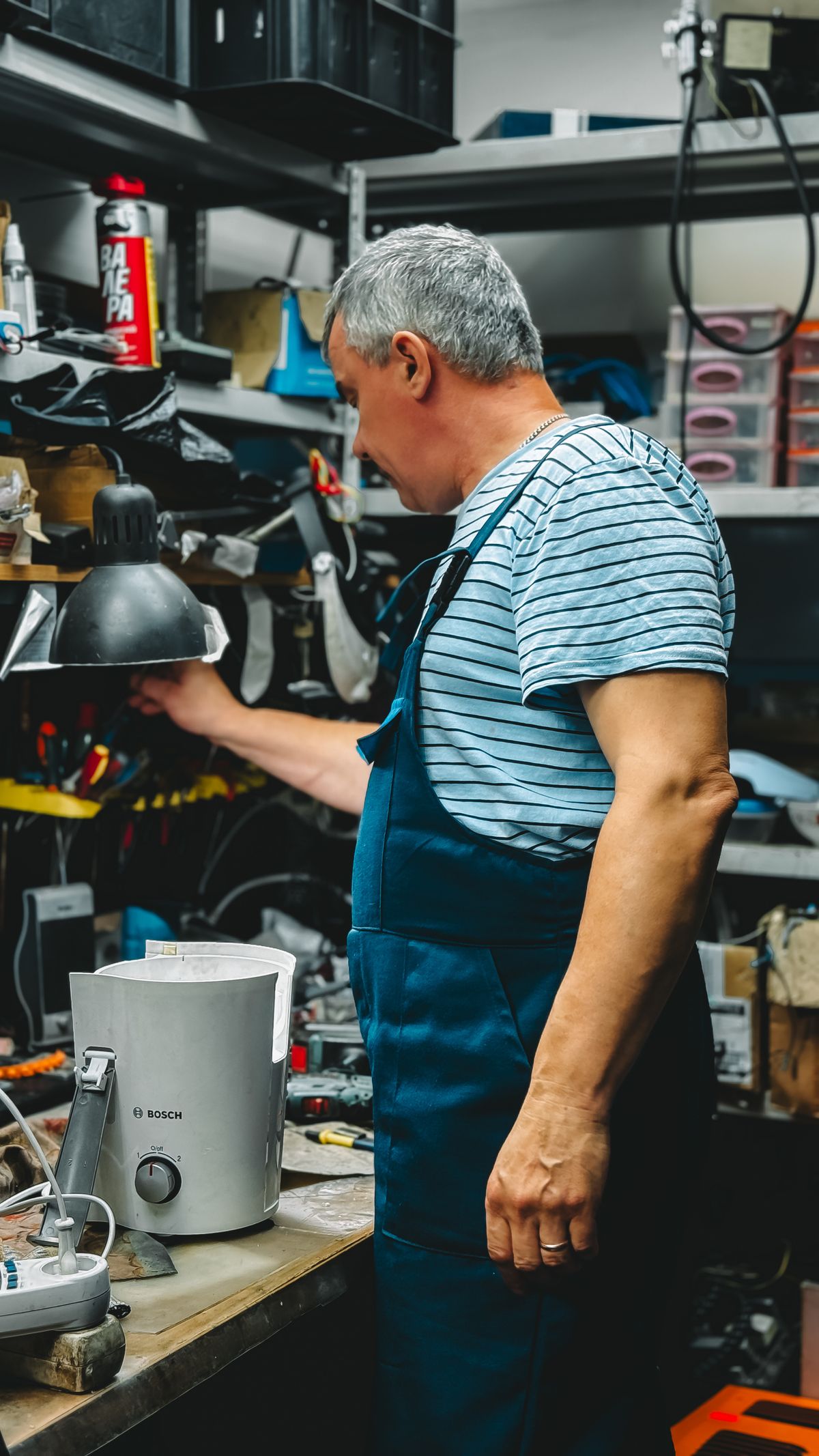
Extended warranties get pitched at nearly every appliance checkout, and the pitch usually leans on worst-case scenarios rather than actual probability. As technicians who repair appliances both in and out of warranty every week, here's a straightforward way to think through whether one makes sense for a specific purchase — no sales pressure either way.
Extended warranties tend to be worth it for complex, expensive appliances with known reliability issues in the first few years, and less worth it for simpler, historically reliable appliances where the warranty cost approaches what an out-of-pocket repair would actually cost.
The Honest Take
Extended warranties are profitable for retailers precisely because most appliances don't fail within the coverage window — that's the basic math behind why they're offered so aggressively. That doesn't mean they're never worth it; it means the decision should be based on the specific appliance, its typical failure patterns, and the actual terms of the warranty, not a blanket yes or no.
What Extended Warranties Actually Cover
Coverage varies significantly between providers, and this is where a lot of dissatisfaction comes from — people assume broader coverage than what's actually written into the contract. Common gaps include:
- Cosmetic damage, which is almost universally excluded.
- "Wear and tear" items like door seals or filters, sometimes excluded or capped.
- Service call fees that may still apply even with coverage active.
- A requirement to use specific, sometimes hard-to-schedule, in-network technicians.
When It's Genuinely Worth It
When You Can Reasonably Skip It
For appliances with a strong reliability track record — many mid-range refrigerators, washers, and dryers from established manufacturers — the odds of needing a covered repair within the warranty period are lower, and the warranty cost can end up close to what you'd pay out of pocket for a single repair anyway. In these cases, setting aside the warranty cost as a personal "repair fund" often works out about the same financially, with more flexibility.
Questions To Ask Before Buying
- What specifically is excluded, not just what's included?
- Is there a deductible or service call fee even with coverage?
- Can I choose my own technician, or am I limited to a specific network?
- Does coverage start immediately, or after the manufacturer's warranty expires?
- What's the process and typical wait time for filing a claim?
An Alternative Worth Considering
Many manufacturer warranties already cover the first year, sometimes longer on specific components like compressors. Understanding what's already covered before purchasing extended coverage often reveals you're paying to duplicate protection you already have for the first year or two.
Related reading: check out our guides on our repair vs. replace decision guide and catching problems early through your energy bill.
Frequently Asked Questions
We work with a range of warranty providers — it's worth checking with us directly on your specific plan, since network coverage varies by provider and region.
If these checks don't resolve it, our licensed appliance repair technicians in Frederick, MD can diagnose and fix the issue, often same-day.
Yes — the manufacturer's warranty is typically included with purchase and covers a shorter initial period (often one year), while an extended warranty is a separate, purchased add-on that extends or supplements that coverage.
Some providers allow this within a certain window after purchase, though terms vary significantly. It's generally easier and sometimes cheaper to decide at the time of purchase.
Those are different things — our 90-day warranty covers the specific parts and labor from a repair we complete, separate from any manufacturer or third-party extended warranty on the appliance itself.