A garbage disposal is one of the few kitchen appliances that gets used almost every day and thought about almost never — until it jams, hums without spinning, or starts smelling. The good news is that most disposal problems are entirely preventable, and the habits that extend its life take only a few seconds a day.
Most disposals fail early because of what's put down them, not because of age. Fibrous foods, grease, and bones are the biggest culprits — avoiding those alone prevents the majority of service calls we get.
What Actually Kills A Disposal Early
A disposal's motor and blades are built to handle years of regular food scraps. What actually shortens its life is a small set of specific foods and habits that either jam the blades, dull them prematurely, or clog the drain line just past the unit. Avoiding these is the single biggest thing you can do — more impactful than any cleaning routine.
Foods That Cause The Most Problems
- Fibrous vegetables — celery, corn husks, and onion skins can wrap around the blades and cause jams or motor strain.
- Grease and cooking oil — these coat the blades and drain line and solidify as they cool, gradually restricting flow even if nothing visibly clogs right away.
- Bones and fruit pits — too hard for the blades and a common cause of chips or jams.
- Coffee grounds and eggshells — contrary to popular belief, these don't "sharpen" the blades; they tend to accumulate in the trap and contribute to clogs.
- Pasta and rice — these expand with water even after being ground up, and can swell inside the drain line.
Run Cold Water, Not Hot
It's a common misconception that hot water helps process waste through a disposal. In reality, cold water is what you want running during and for about 15 seconds after use — it keeps any grease or fat solid enough to be chopped and flushed through rather than melting and coating the pipes on its way down.
A 30-Second Weekly Clean
If It Jams Or Hums
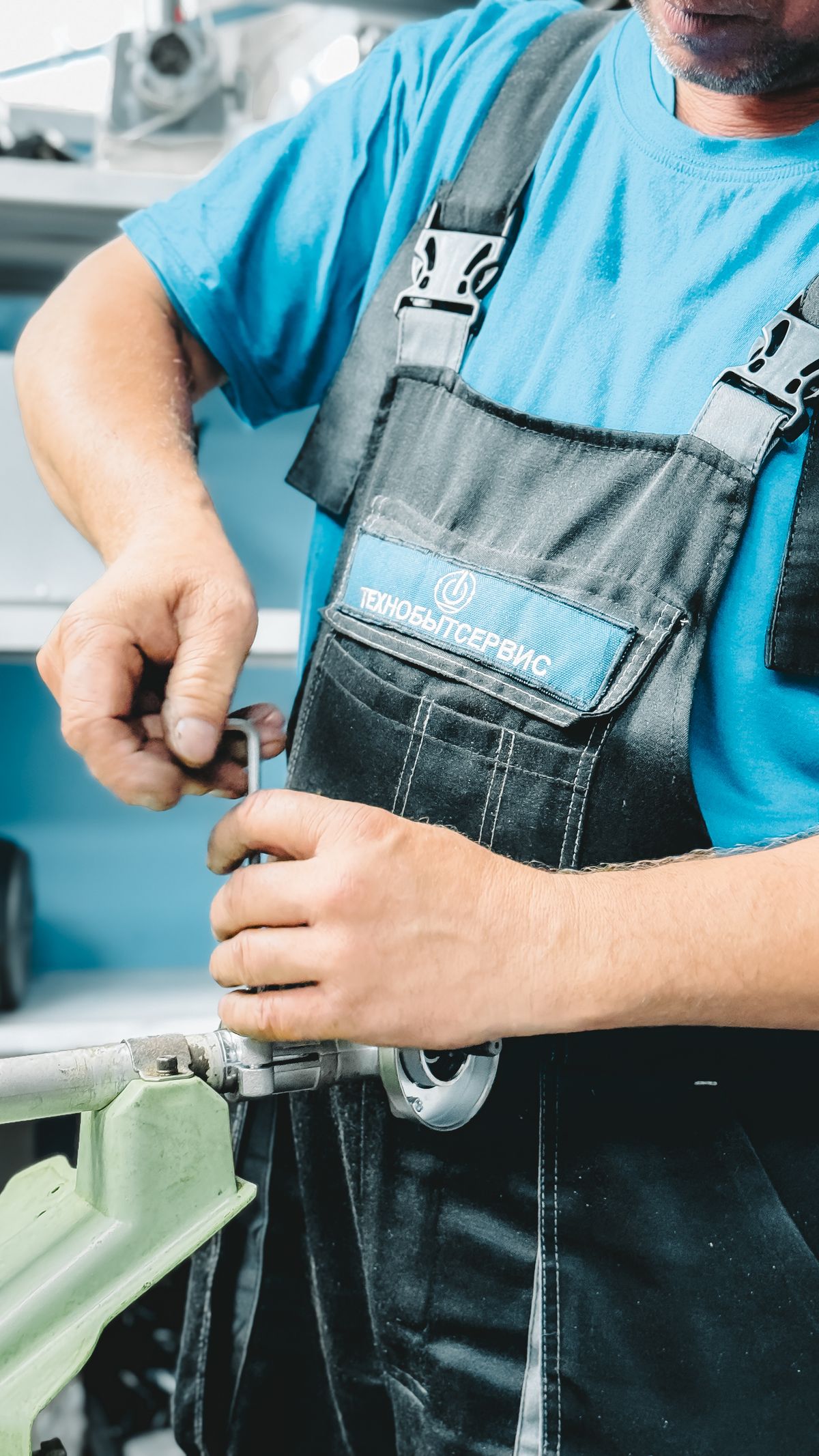
If the disposal hums but doesn't spin, it's usually jammed rather than motor-failed — a relief, since jams are a quick fix. Most units have a small reset button on the underside of the unit, and many come with a hex-key wrench specifically for manually rotating the blades to clear an obstruction.
Always switch off power at the wall switch, and ideally the breaker, before reaching into the disposal chamber for any reason — never use your hand to clear a jam while it's plugged in.
Dealing With Odor
Persistent odor almost always means organic material is trapped somewhere the water flow isn't reaching well — often around the splash guard or in the lower chamber. The ice-and-citrus routine above handles most cases. If odor persists after a few cleanings, it's worth having a technician inspect the trap and drain line for buildup further down than a home cleaning can reach.
Related reading: check out our guides on repair vs. replace decisions and dealing with kitchen appliance odor.
Frequently Asked Questions
With reasonable care, most disposals last 8 to 15 years. Units that fail well before that range have almost always been dealing with grease buildup or fibrous food jams over time.
If these checks don't resolve it, our licensed garbage disposal repair technicians in Frederick, MD can diagnose and fix the issue, often same-day.
We generally recommend against it — harsh chemical cleaners can corrode the disposal's internal components over time. A baking soda and vinegar flush is a gentler alternative for minor clogs.
No sound at all, not even a hum, often points to an electrical issue or a tripped internal overload switch rather than a jam. Check the reset button first before assuming the motor has failed.
Yes, our vans are stocked with the most commonly needed parts for major brands, so most disposal repairs are completed in a single visit.