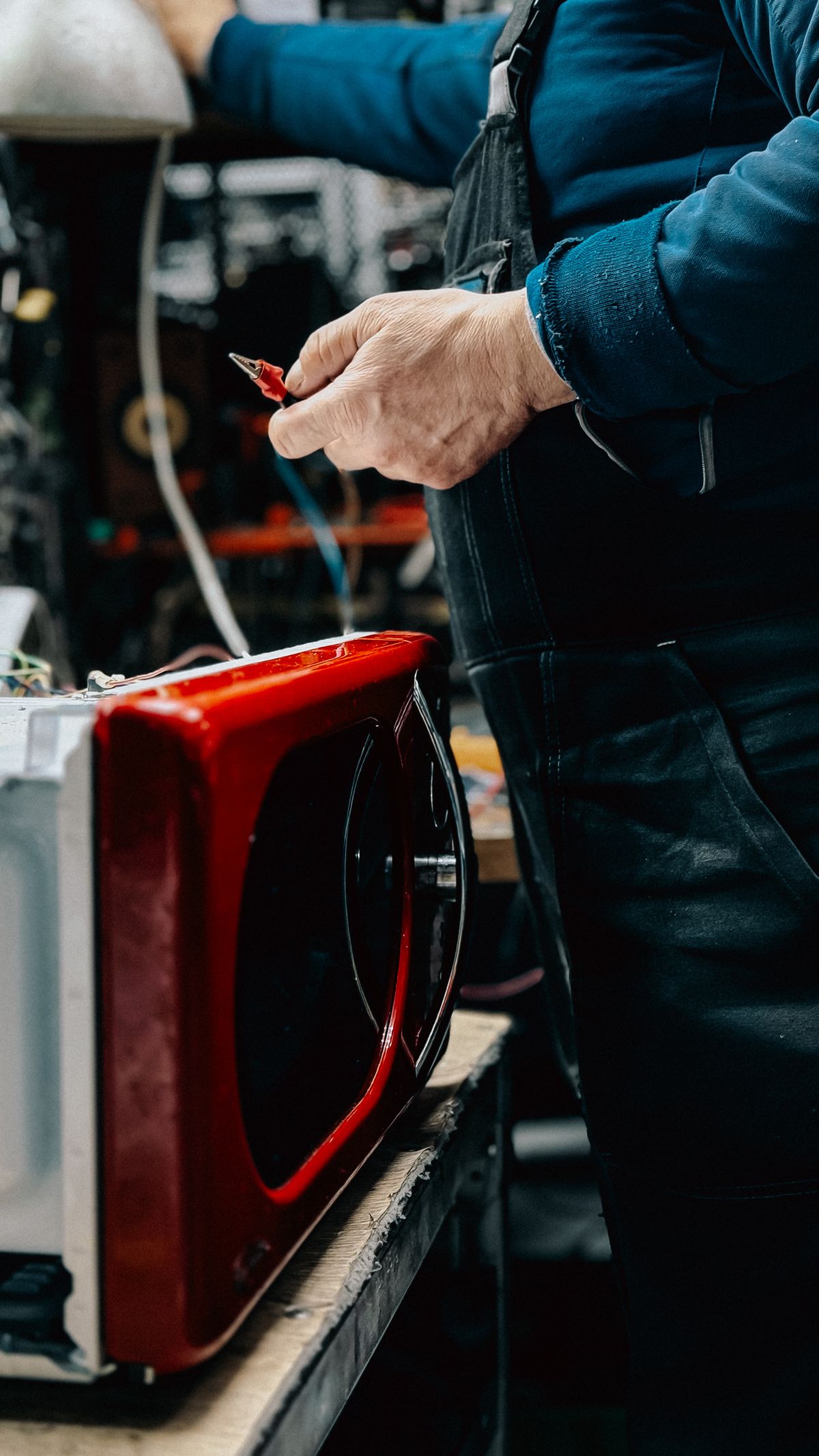
Every major dishwasher brand uses its own set of error codes, and the manuals rarely explain what's actually going wrong in plain language — you're often just told to "call service" with no context. While the exact codes vary by manufacturer, most fall into one of five general categories, and knowing which category yours falls into tells you a lot about what's likely happening before a technician even arrives.
Nearly every dishwasher error code falls into one of five categories: drain issues, water fill issues, heating problems, sensor/circuit board faults, or door latch problems. Identifying which category narrows down the likely cause significantly.
Why Error Codes Are So Confusing
Codes like "E1," "F9," or a specific number of blinking lights mean completely different things across brands — a code that means "drain blocked" on one manufacturer's dishwasher might mean "door latch fault" on another. Rather than memorizing every brand's specific code chart, it's more useful to understand the underlying systems that most codes are pointing to.
Drain Or Draining Codes
These indicate the dishwasher isn't draining water properly between cycles. Common causes include a clogged drain filter (often the simplest fix), a kinked or clogged drain hose, or — less commonly — a failing drain pump.
- Check the drain filter at the bottom of the tub first; food debris buildup here is the most frequent cause.
- Look for standing water pooled at the bottom after a completed cycle — a clear sign of a drain issue.
- If the filter is clean and water still isn't draining, the drain hose or pump likely needs inspection.
Water Fill / Supply Codes
These point to a problem getting water into the machine. Often it's as simple as the water supply valve behind the dishwasher being partially closed, but it can also indicate a failed water inlet valve or float switch malfunction (the float is a small sensor that tells the machine when enough water has entered).
Heating Element Codes
These indicate the dishwasher isn't reaching or maintaining the water temperature needed for the wash and dry cycles. A failed heating element is the most common cause, though a faulty thermostat or temperature sensor can trigger similar codes even when the element itself is fine.
Always ensure the dishwasher is disconnected from power before removing any lower access panel — heating elements and their wiring carry live current whenever the unit is plugged in.
Sensor Or Circuit Board Codes
These are typically the least straightforward to diagnose without professional tools, since they can point to anything from a single failed sensor to a broader control board issue. If you're seeing this category of code, it's usually the point where a technician diagnostic makes more sense than continued DIY troubleshooting.
Door Latch Codes
Modern dishwashers won't run, or will stop mid-cycle, if the door latch mechanism isn't sensed as fully closed and locked. This is often a straightforward fix — sometimes just a misaligned door or a worn latch switch — but occasionally indicates a failed door switch assembly that needs replacement.
What To Do When You See A Code
Related reading: check out our guides on cloudy glasses and dishwasher spotting and repair vs. replace decisions.
Frequently Asked Questions
Yes, most manufacturers publish code charts in their manuals or online support pages — it's worth checking, though the underlying category system above still applies to help you interpret what it means practically.
If these checks don't resolve it, our licensed dishwasher repair technicians in Frederick, MD can diagnose and fix the issue, often same-day.
Sometimes, if the code was triggered by a temporary glitch. If the same code returns after a reset, that's a strong sign there's an actual underlying issue that needs to be addressed rather than reset away.
For drain or fill codes, generally the machine simply won't complete cycles properly, so there's little risk in trying again. Heating or sensor codes are worth addressing sooner, since continued use can sometimes stress the affected component further.
We charge a small diagnostic fee to send a technician out, which is applied toward the repair cost once you approve the quote — so it's never wasted money.